Sell Mineral Rights in Alpena, MI
Alpena, MI mineral rights owner? Limestone country on Lake Huron with real oil and gas history underneath. Get an honest, no-hype evaluation.
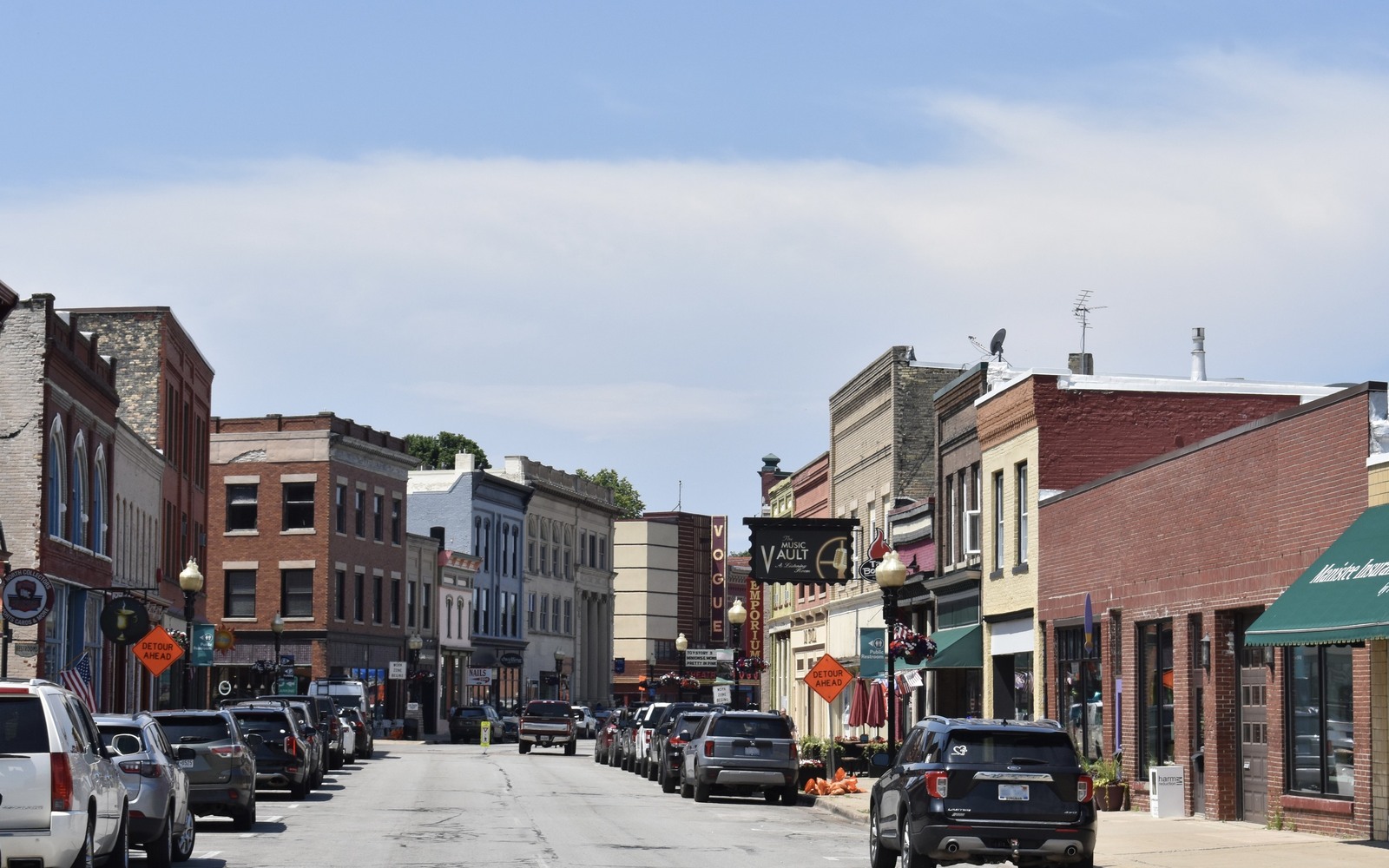
Manistee built a chemical industry on salt brine long before anybody drilled for oil and gas here, and that history means your deed might reference minerals nobody in your family has thought about in decades.
Manistee, the Manistee County seat, sits on Lake Michigan with a mineral history unlike most of the counties in this network. Salt brine extraction drove a chemical industry here starting in the 1880s, and oil and gas leasing came later, tied to Traverse Group and Michigan Basin formations rather than the Antrim Shale that dominates the counties to the east. A mineral interest tied to land in or around Manistee could involve brine rights, oil and gas rights, or both.
If your family's mineral paperwork references salt, brine, or chemical rights alongside or instead of oil and gas language, that's a genuine feature of Manistee's mineral history, not an error. The Manistee County register of deeds, right in the city, holds the recorded chain of title that shows how those rights were carved up and whether oil and gas was addressed separately.
It's worth reading your deed carefully or having someone pull the full chain, since brine and oil and gas rights are valued very differently and a buyer needs to know which one, or both, you actually hold.
Manistee sits well outside the tight Antrim Shale core, so any oil and gas production tied to your interest is more likely connected to Traverse Group or other Michigan Basin formations, with a different drilling and production history than the biogenic shale gas play further east. We check current production and your actual statements before quoting anything, since activity varies significantly across the county.
A Michigan location page should lead back to a real tract record. The working file identifies the county, township, range, section, legal description, acreage, mineral reservation, estate type, ownership fraction, and the deed, probate file, or trust instrument that supports the present ownership claim.
Antrim, Niagaran, Dundee, Trenton-Black River, and other Michigan production evidence varies by county and formation. Operator names, well records, unit boundaries, statement months, paid decimals, downtime, and recent volumes should be checked for the documented interest instead of assumed from a nearby place name.
The owner copy should retain the source deed, legal description, ownership reconstruction, statement evidence, written offer assumptions, retained-rights language, settlement record, and recording reference. That sequence lets a county review support a transaction without pretending every parcel in the area has the same production or value.
Each answer points back to a Michigan legal description, owner fraction, paid decimal, statement month, well record, or written term that can be checked.