Sell Mineral Rights in Mio, MI
Mio, MI mineral rights owner? Oscoda County seat on the eastern Antrim edge, honest evaluation off real production, no mailbox-offer games.
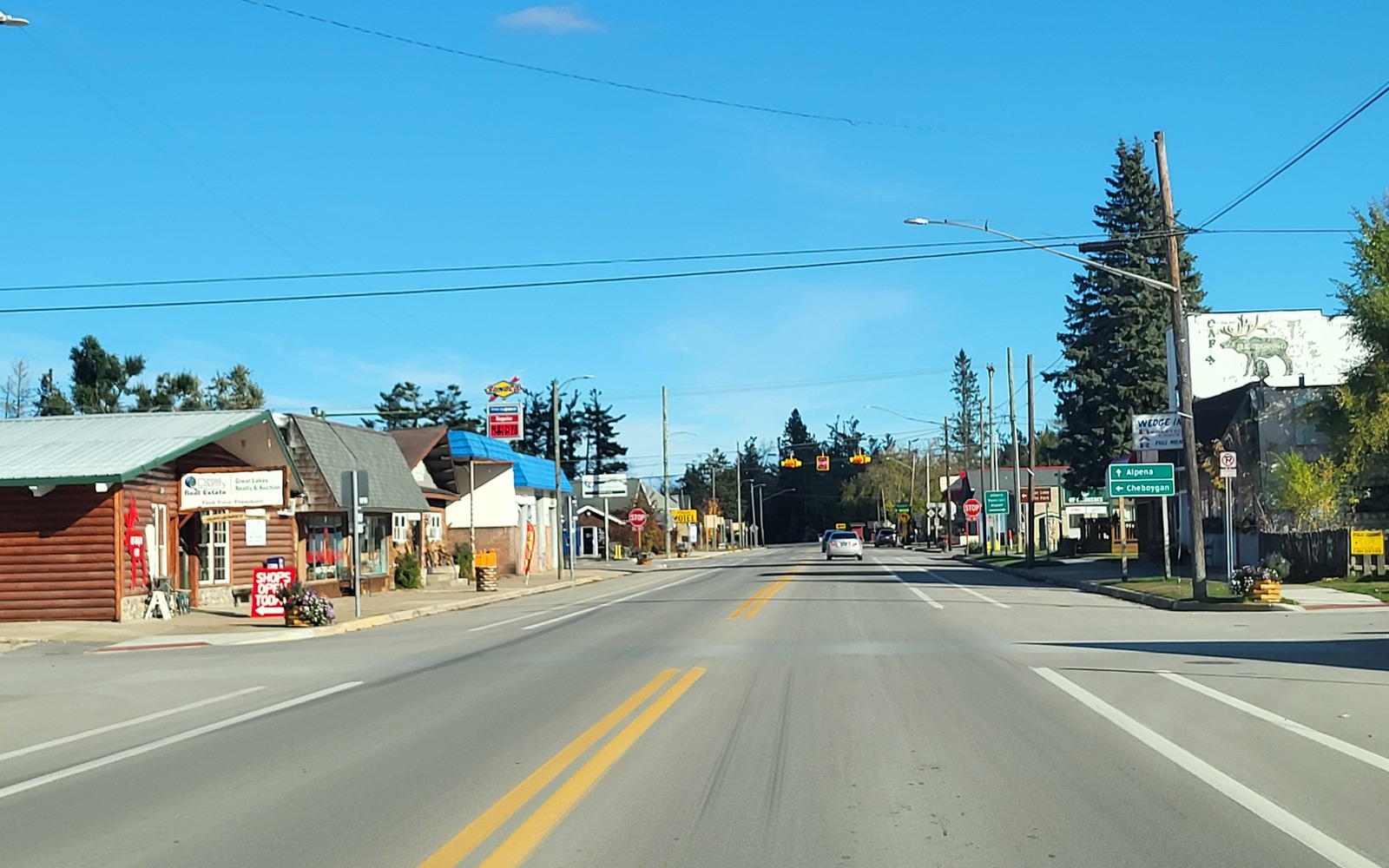
Atlanta bills itself the elk capital of Michigan, but underneath the state forest and farm ground around it sits mineral history from the Antrim boom that most owners here have never had explained to them.
Atlanta is the county seat of Montmorency County, a small town surrounded by state forest and known locally for its wild elk herd. The private farm and forest sections around town saw Antrim Shale leasing and, in places, drilling during the late 1980s and 1990s boom, and mineral ownership tied to that land is commonly split among heirs who inherited a fraction of a fraction of the original interest.
As the county seat, Atlanta is home to the Montmorency County register of deeds, which holds the recorded chain of title for the whole county. Given how much of the private land here has passed through generations without formal division, it's common for us to talk to an owner who knows they're entitled to something but doesn't know exactly what fraction or which well it's tied to.
That's a normal starting point. Pulling the probate record or deed at the county office usually clears it up.
Where there's production tied to land near Atlanta, it's most likely a mature Antrim well decades past its early peak, producing modest, steady volumes. We check current statements and activity before quoting anything, and we're upfront if the honest number is modest given how far along the decline curve these wells sit.
A Michigan location page should lead back to a real tract record. The working file identifies the county, township, range, section, legal description, acreage, mineral reservation, estate type, ownership fraction, and the deed, probate file, or trust instrument that supports the present ownership claim.
Antrim, Niagaran, Dundee, Trenton-Black River, and other Michigan production evidence varies by county and formation. Operator names, well records, unit boundaries, statement months, paid decimals, downtime, and recent volumes should be checked for the documented interest instead of assumed from a nearby place name.
The owner copy should retain the source deed, legal description, ownership reconstruction, statement evidence, written offer assumptions, retained-rights language, settlement record, and recording reference. That sequence lets a county review support a transaction without pretending every parcel in the area has the same production or value.
Each answer points back to a Michigan legal description, owner fraction, paid decimal, statement month, well record, or written term that can be checked.